
Are you tired of looking through a “fog” on your windows that no amount of vinegar or Windex seems to touch? In the Pacific Northwest, Hard Water Stain Removal in Portland is more than just a cleaning task—it is a specialized chemical restoration process. For homeowners in the West Hills, Lake Oswego, and Beaverton, the combination of mineral-rich “PNW rain” and improper irrigation leads to Stage 2 glass corrosion that requires professional intervention.

Key Takeaways
- Hard Water vs. Dirt: Stains are mineral deposits (calcium/magnesium) that chemically bond to the glass.
- Stage 1 vs. Stage 2: Stage 1 is a surface deposit; Stage 2 is permanent etching.
- The Portland Factor: Douglas Fir pollen and silica-rich runoff accelerate glass degradation.
- Professional Solution: Restorative polishing is often 75% cheaper than window replacement.
How much does hard water stain removal cost in Portland?
Professional hard water stain restoration in Portland typically costs between $25 and $75 per pane, depending on the severity of the mineral etching. While standard cleaning is cheaper, restoration involves specialized polishing compounds and mechanical buffers. This investment is significantly lower than the cost of replacing high-end architectural windows, which can exceed $1,200 per unit.

Understanding the Science of Glass Corrosion in the Pacific Northwest
To understand why your windows look cloudy, we must look at the unique environmental stressors of Portland, Oregon. Our region is famous for its lush greenery, but that beauty comes with a hidden cost for your glass.
The Role of Mineral-Rich Runoff
Many homes in Beaverton and Lake Oswego rely on well water or municipal systems that, when combined with architectural runoff from stone facades or concrete siding, create a “mineral cocktail.” When rainwater hits these surfaces, it picks up calcium and silica, depositing them directly onto your glass. As the sun hits the window, the water evaporates, leaving behind a crystalline lattice that is chemically identical to the stone it came from.
Douglas Fir Pollen and Bio-Aerosols
During the spring, the West Hills are blanketed in yellow Douglas Fir pollen. This isn’t just an allergen; it is acidic. When pollen sits on a window and is hydrated by our frequent mist, it creates an acidic slurry that can “bite” into the silica of the glass, leading to permanent pitting if not addressed by a professional hard water stain removal specialist.
Stage 1 vs. Stage 2 Corrosion: Why Your DIY Failed
Most homeowners attempt to fix cloudy windows with “hacks” like steel wool or acidic cleaners. However, understanding the level of damage is crucial for effective Hard Water Stain Removal in Portland.
- Stage 1 Corrosion: These are light, white spots that sit on top of the glass. They feel slightly raised. At this stage, specialized chemical de-scalers can usually dissolve the bond.
- Stage 2 Corrosion: This is where the minerals have actually leached into the molecular structure of the glass. The glass is no longer “dirty”—it is damaged. This requires mechanical polishing using cerium oxide or specialized diamond-flecked pads to “shave” the glass back to a flat, clear surface.
Can you remove hard water stains from windows yourself?
While light Stage 1 stains can sometimes be addressed with a 50/50 white vinegar and water solution, DIY attempts on Stage 2 corrosion often lead to permanent scratching. Using abrasive “green pads” or improper steel wool can “swirl” the glass. For high-value homes in the Pearl Distri
ct, professional restoration is required to ensure the glass’s structural integrity remains intact.
The Crestview Restoration Protocol: How We Save Your View
When you hire a specialist for hard water stain removal
, you aren’t just paying for a squeegee. You are paying for a multi-step laboratory-grade process.
- De-Ionized Pre-Wash: We begin by removing all surface particulates using 0-TDS (Total Dissolved Solids) water. This ensures no grit causes scratches during the polishing phase.
- Chemical Descaling: We apply a pH-neutral mineral dissolver that targets calcium carbonate without damaging the surrounding frames or seals.
- Mechanical Glass Polishing: Using high-speed orbital buffers and rare-earth mineral pastes, we gently resurface the glass. This is the only way to eliminate Stage 2 etching.
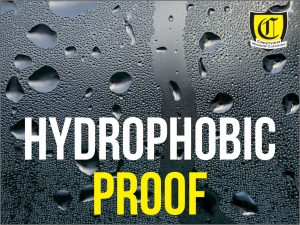
- Hydrophobic Sealing: Once the glass is restored, we apply a professional-grade ceramic coating. This makes the surface “super-slick,” causing water to bead and roll off before minerals can bond again.
Why Portland Homeowners Trust the Specialists
In the Pearl District, many condos feature floor-to-ceiling glass tha
t is subject to high-altitude wind and city pollutants. In Lake Oswego, the humidity near the water accelerates oxidation. Crestview understands these local micro-climates. We don’t just “clean” windows; we restore the architectural value of your property.
Protecting Your Investment
Replacing a single custom-shaped window in a West Hills estate can cost thousands of dollars and weeks of lead time. Our hard water stain removal service can often restore that same window to 95% of its original clarity in a single afternoon.
How do I prevent hard water stains from coming back?
The best prevention is a combination of hydrophobic glass coatings and “smart irrigation.” Ensure your sprinklers are not hitting the glass directly, and schedule a professional cleaning every 6 months to remove mineral deposits before they transition from Stage 1 to Stage 2. Applying a professional sealant can protect your glass for up to 3 years.
Visualizing the Transformation: Image Requirements
To truly convey the power of our restoration, the following visual assets are essential:
- The “Split Screen” Before & After: A high-resolution macro shot of a window pane halfway through the restoration process. One side shows the white mineral “scale,” the other shows crystal-clear transparency.
- The Geo-Tagged Action Shot: A technician using a specialized orbital polisher on a luxury home in the West Hills, with a clear view of the Portland skyline in the background to anchor the local authority.
- Technical Diagram: A cross-section graphic showing how mineral ions (calcium/silica) “pit” the surface of the glass at a microscopic level, explaining why simple washing isn’t enough.
- The Hydrophobic “Beading” Shot: A close-up of water perfectly beading and rolling off a treated window, demonstrating the “self-cleaning” properties of our professional sealants.
Final Thoughts for Portland Homeowners
Don’t settle for “clean enough.” Your windows are the eyes of your home, and in a city as beautiful as Portland, you deserve an unobstructed view. Whether you are dealing with moss growth, Douglas Fir pollen, or stubborn mineral rain spots, our specialized hard water stain removal in Portland is the definitive solution.
Frequently Asked Questions (FAQ)
Q: Is hard water stain removal safe for my window frames? A: Yes. At Crestview, we use frame-safe, biodegradable solutions specifically designed for the wood, vinyl, and aluminum frames commonly found in Portland homes.
Q: How long does the restoration process take? A: A standard residential restoration usually takes 4 to 8 hours, depending on the number of panes and the severity of the mineral etching.
Q: Will the stains come back immediately? A: Without protection, yes. However, every Crestview restoration includes a hydrophobic sealant application that significantly slows the re-accumulation of minerals.
Q: Is this the same as “buffing” a car? A: The principles are similar, but glass is much harder than automotive clear coat. It requires specific speeds, pressures, and compounds (like cerium oxide) to avoid “lens effect” or distortion.